Frozen is the future for Nestlé's U.S. food business.
The world's largest food company is doubling down on frozen meals and pizzas, led by healthier offerings like Lean Cuisine and Vital Pursuit, as it predicts the core business will return to growth despite recent challenges.
The company’s frozen pizza, meals and snacking business is a "strategically important" part of Nestlé’s U.S. portfolio, said Federico Sarzi Braga, president of Nestlé USA's frozen division. The U.S. is the largest market for Nestlé, with its food and beverages in the region making up about 15% of its $114 billion in global revenue.
Braga said Nestlé is benefiting from the fact that many of its brands participate in the four trends driving growth in the frozen sector: taste, convenience, affordability and global cuisine.
“We see pockets of growth, it’s not everywhere ... [but they] are reassuring us on the future of the category going forward,” Braga said. “The category has a brilliant future and is a huge opportunity for us.”
While Nestlé's frozen business has posted negative growth recently, the company remains confident in its brands and future opportunities for the category.
Nestlé CEO Philipp Navratil recently told analysts that frozen has “the potential for growth” and brings other benefits to its U.S. business, including strengthening the company's competitive position in the market, boosting cash flow and deepening consumer relevance.
“The changes we are making are driving a turnaround,” Navratil said, insisting that Nestlé has no plans to sell its U.S. frozen business as the company reviews its portfolio. “We are innovating and strengthening our business, making it more valuable whatever the future may hold.”
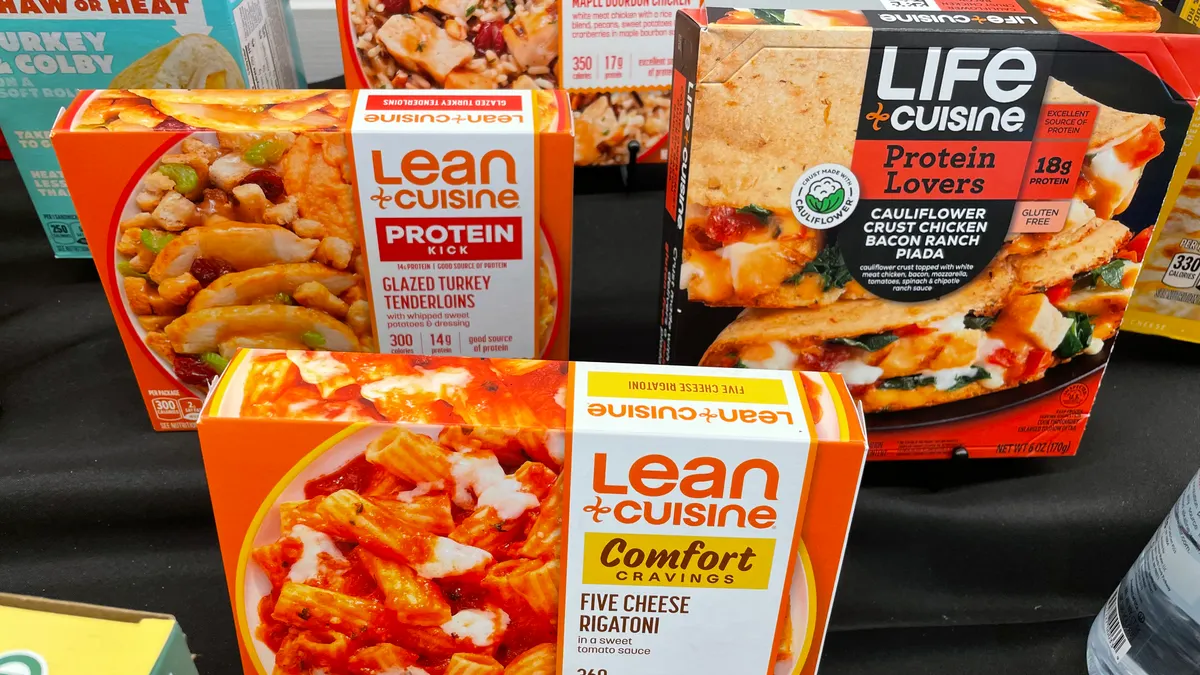
Braga, a 26-year Nestlé veteran, said Lean Cuisine and Vital Pursuit, which was launched in 2024, are among the brands delivering on consumer demand for better-for-you offerings.
Vital Pursuit in particular has proven to have a wider reach than initially anticipated, Braga said. The brand is aimed at people using GLP-1 medications or seeking to maintain their weight.
But only 20% of the brand’s consumers are taking GLP-1 medications, with many other shoppers turning to Vital Pursuit for its elevated levels of protein and fiber. Vital Pursuit has proven especially adept at attracting new shoppers to the frozen category, with 40% of the brand's consumers having never purchased frozen food before, according to the company.
“It is a confirmation of the good plan of launching something that is specific, embracing a core target, but it’s more than that,” Braga noted. “There are macro trends that are pretty strong in the marketplace, and you see that they are driving the growth.”
Frozen food sales jumped 45% to $87 billion during the 52-week period that ended in September 2025, compared with calendar year 2019, according to a report from the American Frozen Food Institute and FMI — the Food Industry Association.
Consumers have turned to the offerings for portion control, convenience and, increasingly, their nutritional profiles.
Nestlé is capitalizing on those nutritional trends by doubling down on protein. The company is launching a two new Vital Pursuit pizzas next month that contain 33 grams of protein and 17 grams of fiber — compared to the 22 grams of protein and 4 grams of fiber in the brand's original pizzas
Braga said other pockets of strength in Nestlé USA’s frozen business include its three-year-old Yellowstone brand and its frozen pizza business, where the DiGiorno and Tombstone maker controls just under a third of the U.S. market.
Its Yellowstone frozen meals line has attracted new households through its connection to the popular TV series and the aura of a cowboy-like culture. It was the No. 1 new frozen brand at Walmart in 2025, according to Circana data provided by Nestlé.
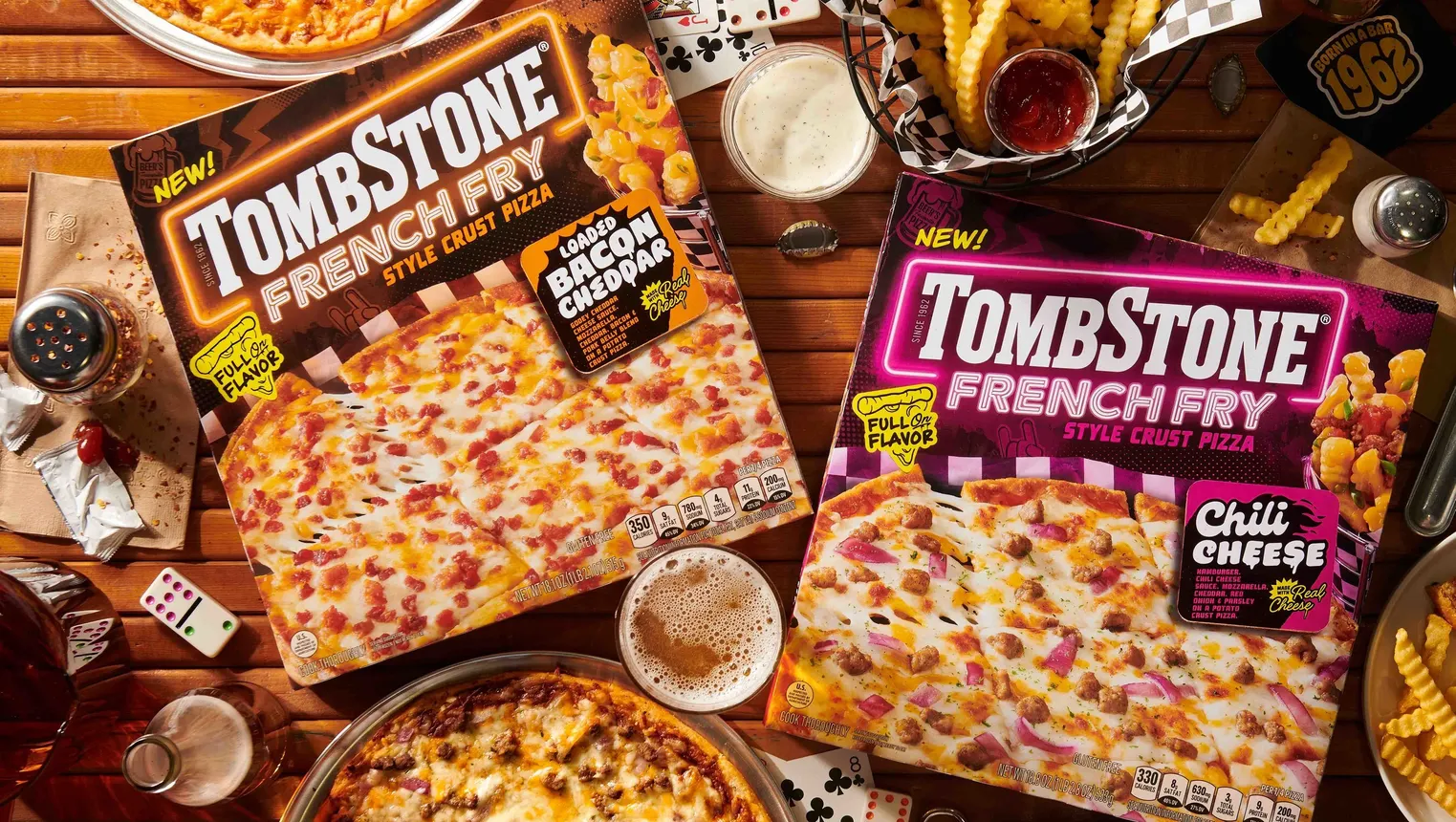
Within pizza, Nestlé's broad portfolio gives it more opportunities to innovate depending on the brand. Tombstone, which does more outside-the-box innovations, launched a French-fry crust last July that has proven to be attractive with younger consumers. A wood-fired DiGiorno offering has also helped woo pizza connoisseurs, many of whom are looking to save money by dining out less.
“We are giving choices to consumers, and will adapt according to the fluidity and the dynamism of the environment,” Braga said. “We want to drive the growth of the future, and we want to shape the future of the category.”