SAN FRANCISCO — Following the collapse of high-flying startups, food companies including PepsiCo and Cargill are taking a more nuanced and collaborative approach to venture capital and technology.
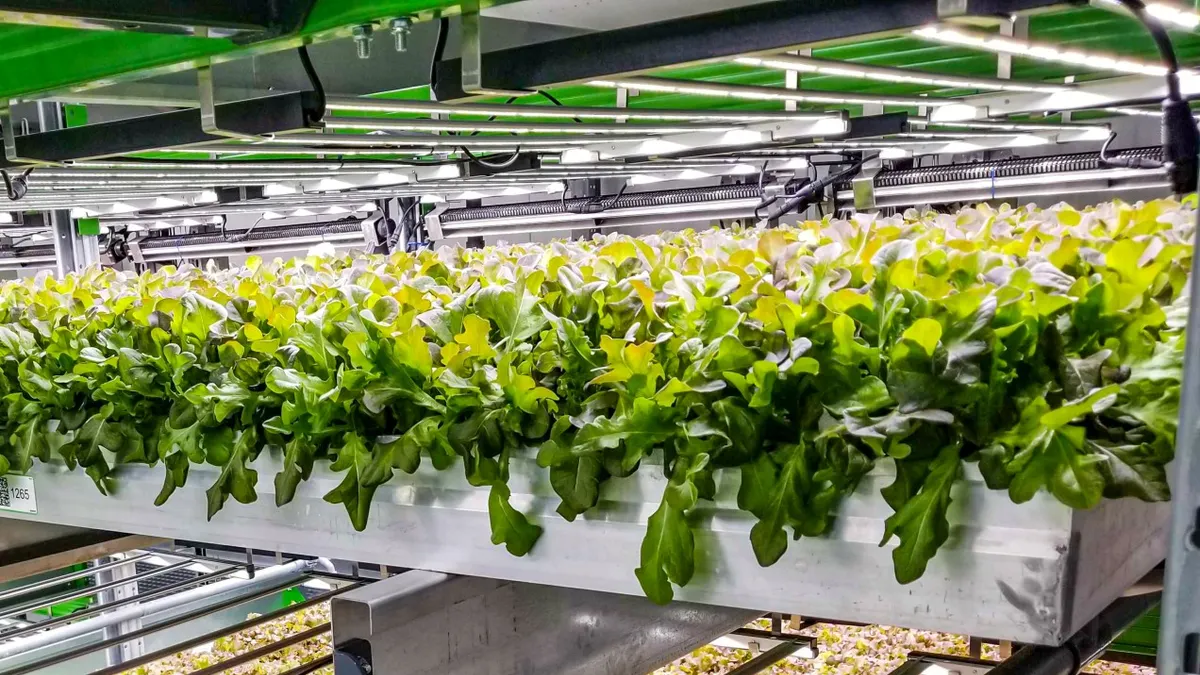
Once touted as the future of the food industry, players in categories like plant-based meat and indoor farming — including Beyond and Bowery — have cratered despite raising millions of dollars in funding. There was almost “too much funding,” available, Florian Schattenmann, Cargill's chief technology officer and vice president for innovation and R&D, said at the Future of Food Tech conference.
"Almost any idea, good or not, was getting funded," he said during a panel on innovation.
Now, as cash for food-focused startups dries up, a new crop of firms are trying to cater to food companies with more targeted pitches around ingredients, manufacturing efficiencies and other technologies. And instead of trying to scale alone, more tech firms are increasingly collaborating with big food companies on solutions spanning nutrition, AI and more.
"It's a more structured approach," Schattenmann said. "There's a real need for collaboration between all the parts of the innovation ecosystem."
Unlike other tech sectors, food and agriculture technology struggles to snag venture funding because it can take years to scale solutions, making it difficult to attract investors, according to Xin Ma, chief investment officer of Ki Tua Fund, the venture capital arm of dairy co-op Fonterra. That makes it more essential for food companies across the supply chain to collaborate with tech providers —and even each other — to ensure that the most innovative ideas can break through.
"Because big chunks of capital [are] needed, we really need … to make sure that the limited funding that we have will be in the right place to push vital technology through all these barriers," she said.
Increased collaboration is changing the way many legacy food companies view and interact with startups, Ma said. Traditionally, startups have been seen as competitors, not collaborators, pushing major food firms to try developing their own tech solutions in-house.
But the intense demand for protein and better-for-you ingredients is leading more companies to consider collaborations and alternative product development strategies.
Startups remain "about as critical right now" as they were a few years ago, Schattenmann said, and are important to address a wide variety of problems within the food supply chain, from data visibility to ingredient discovery.
"There's a real need for collaboration between all the parts of the innovation ecosystem," he said.
For food startups to be successful, consumer impact should be the biggest priority — not investor interest. Tara Glasgow, PepsiCo's chief science officer and executive vice president of R&D, said that the food and beverage giant responds the most to startups that keep consumer demands and needs at the center of their mission.
"What's so inspiring and exciting about working with star startups is they are sometimes so much closer to the consumer insights that we can miss as a big company," she said. "Don't be in such a rush to jump to scale, be in a rush to make a connection."